DONATE TO HOMELESS HOUSING
Donate to homeless housing through Sky Garden and help support permanent housing, healthcare, job training, wellness, and a supportive community where individuals experiencing homelessness can rebuild, reconnect, and move toward long-term independence.
Donate to Homeless Housing.
Help Build a Path Forward.
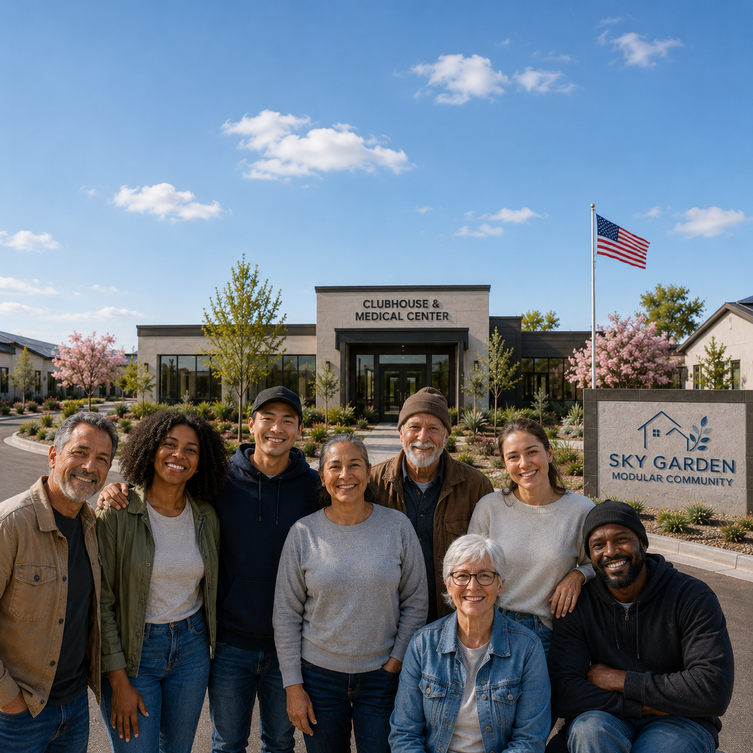
Sky Garden Modular Community is designed to provide more than temporary shelter. When you donate to homeless initiatives like Sky Garden, your support can help advance a safe, stable, and welcoming residential environment where individuals can rebuild their lives with dignity.
Through permanent modular housing, healthcare, nutritious meals, wellness services, community support and employment opportunities, Sky Garden seeks to create a true foundation for a fresh start.
Building Stability From
The Ground Up
Sky Garden brings housing, health, wellness, employment and community resources together to help residents build a stronger future.
Permanent Homes
100 planned modular homes designed to provide individuals and small households with safe, private and stable housing.
Healthcare
Convenient access to on-site medical services and healthcare resources designed to support resident wellness.
Wellness
Fitness, nutritious meals, green spaces and community activities encourage healthier everyday living.
Employment
Job training and employment connections can help residents move toward greater independence and long-term stability.
Sustainable Living
Rooftop solar and water-efficient landscaping are planned to help reduce long-term operating costs.
Community
Shared spaces, green areas and social programs are designed to encourage connection, dignity and belonging.
A Community,
Not Just A Shelter.
Sky Garden is envisioned as a permanent residential community where housing is paired with support, opportunity, dignity and a genuine chance to begin again.
A Place To Call Home
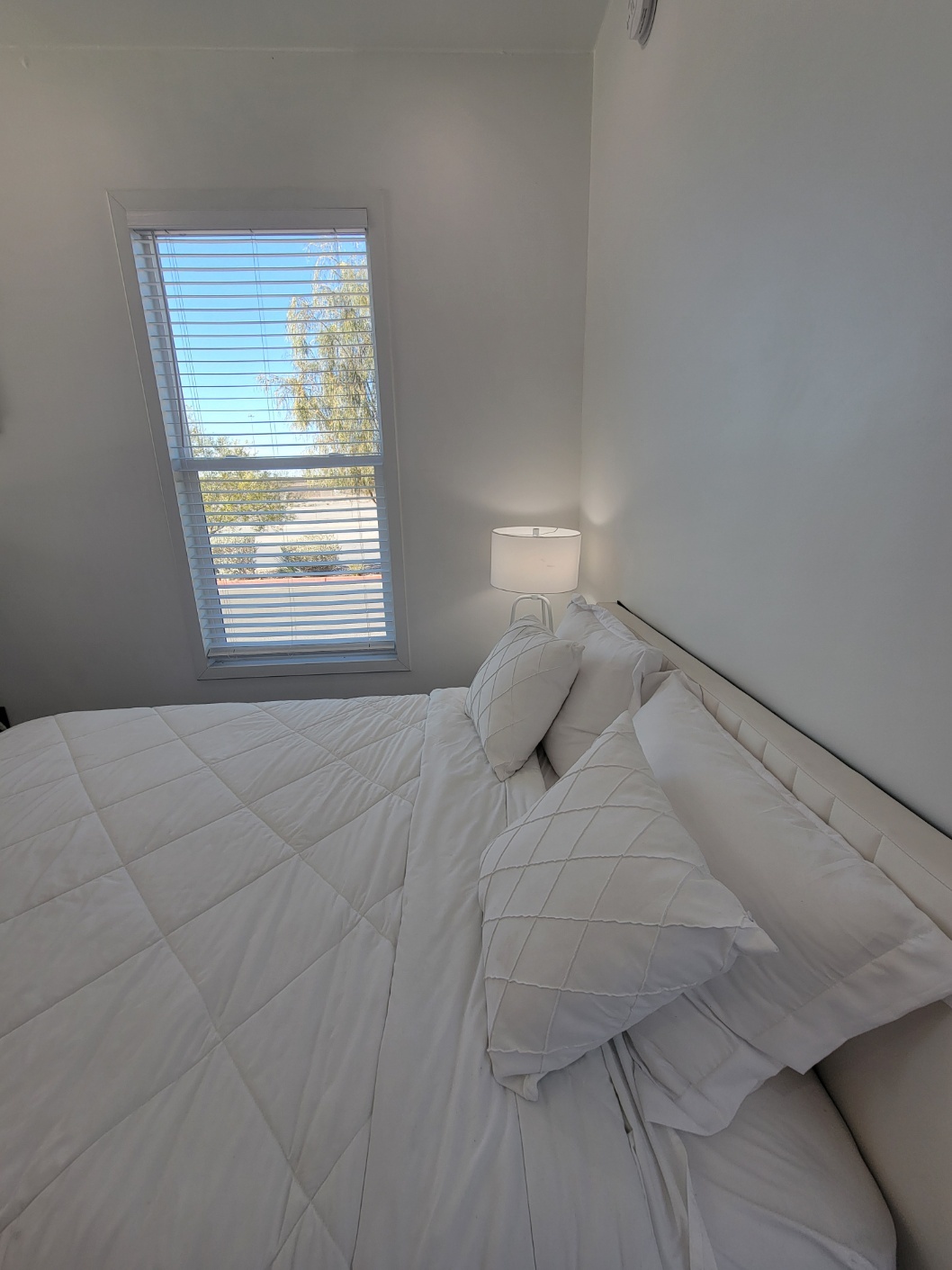
Private modular residences are designed to provide comfortable, low-maintenance housing within a supportive neighborhood environment. Donors who donate to homeless housing can help move this vision for permanent homes and long-term stability closer to reality.
Studio Housing
Two-Bedroom Housing
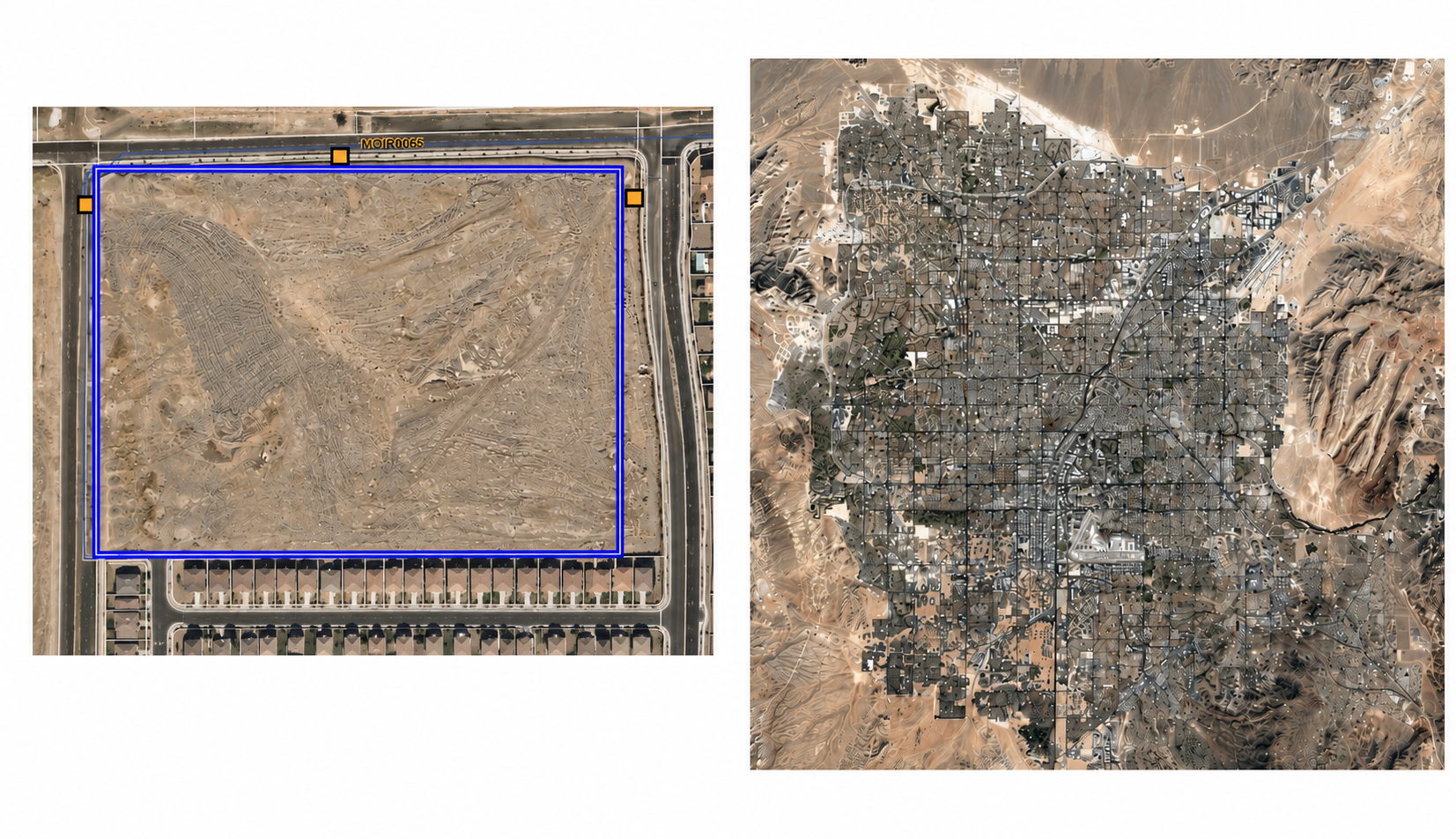
Planning With
Las Vegas In Mind
Sky Garden is being developed around a community-scale concept that brings housing, green space, shared services and neighborhood connections together within a carefully planned site.
From Vision
To A Working Plan
These planning visuals help illustrate the proposed community layout, housing concepts and how the different parts of Sky Garden can work together.
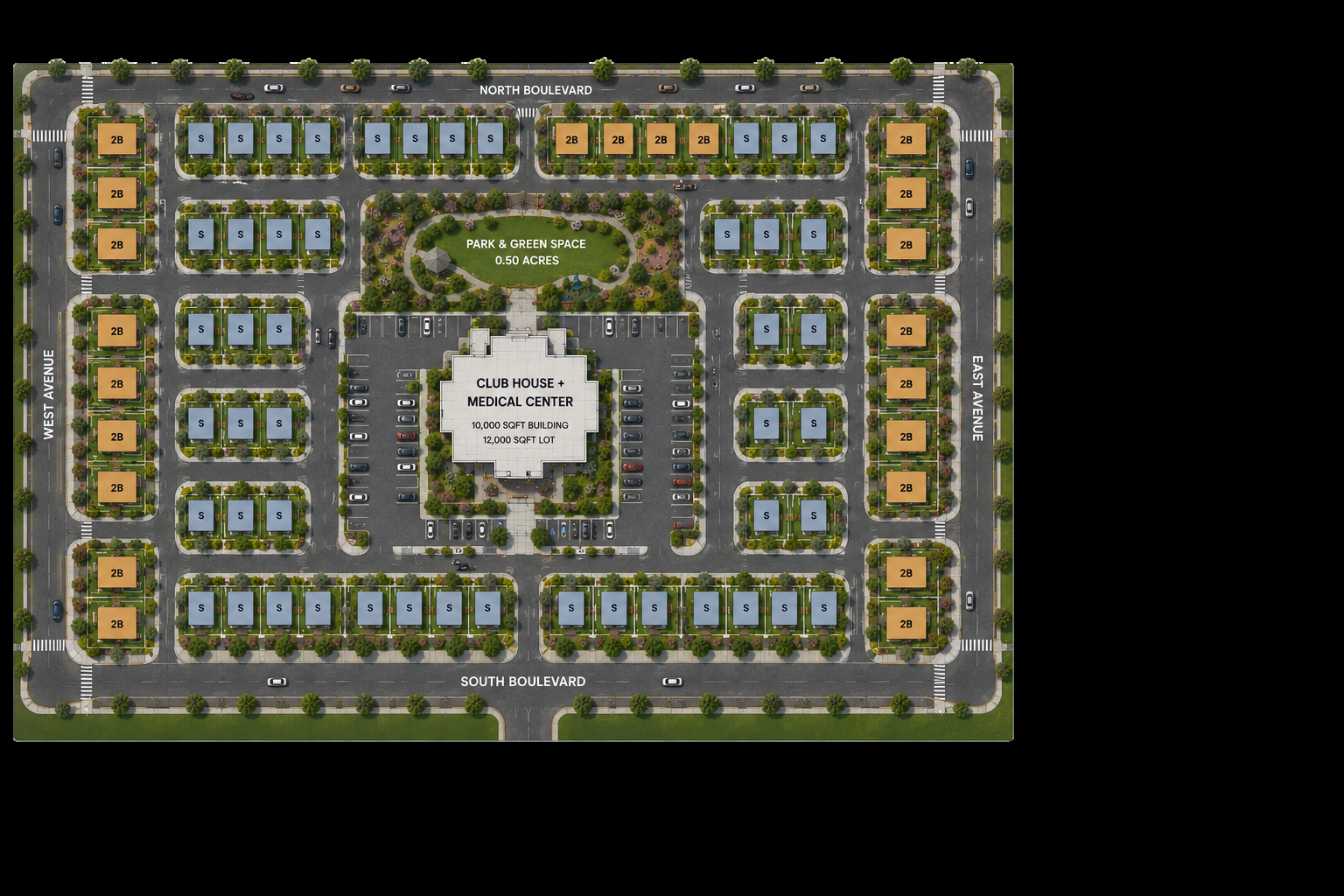
Master Site Plan
A community-wide view of proposed homes, circulation, central services and shared green space.
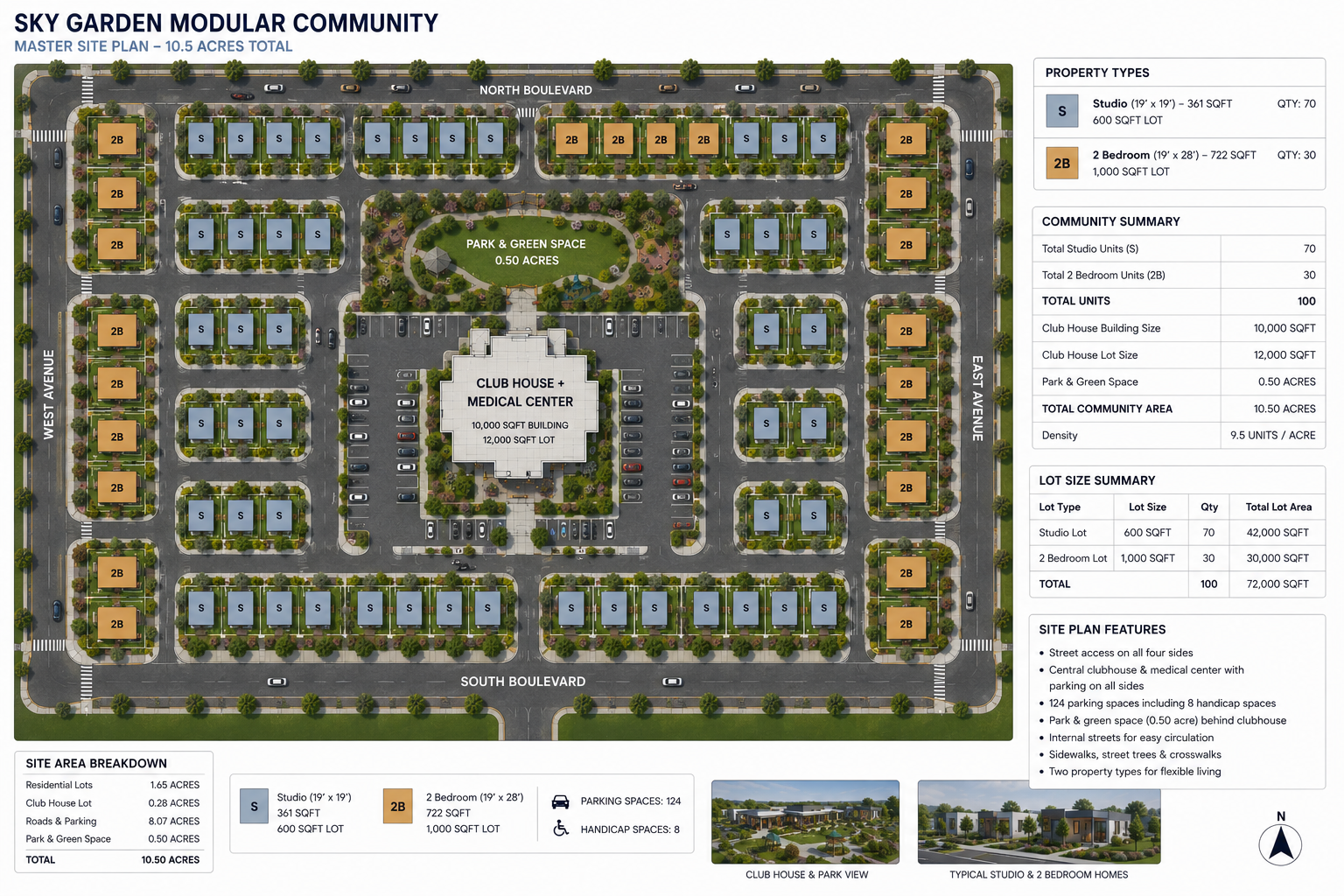
Project Overview
A planning reference combining the overall site concept with key community and housing information.
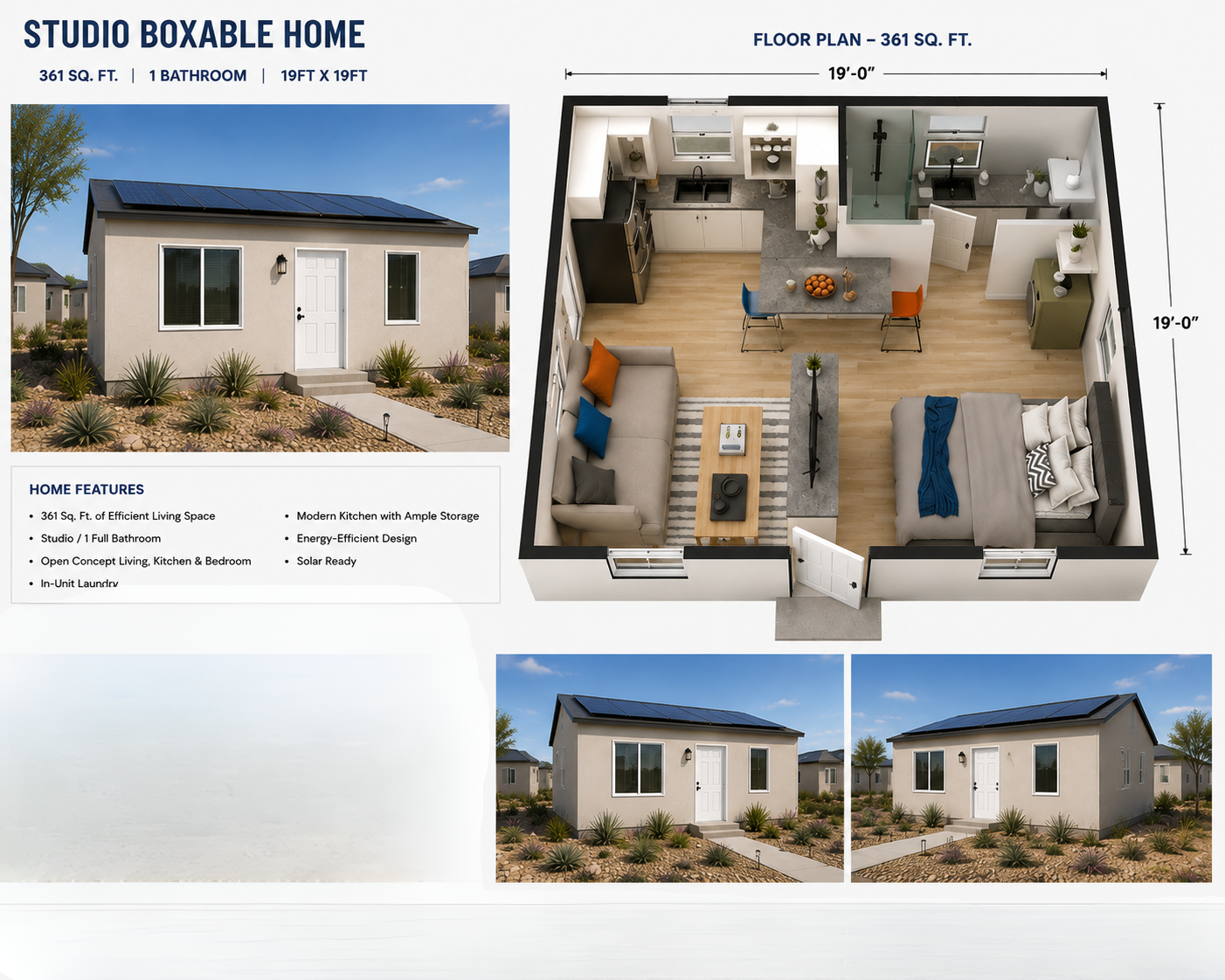
Studio Housing Layout
A closer look at the compact studio concept intended for individual residents and smaller households.
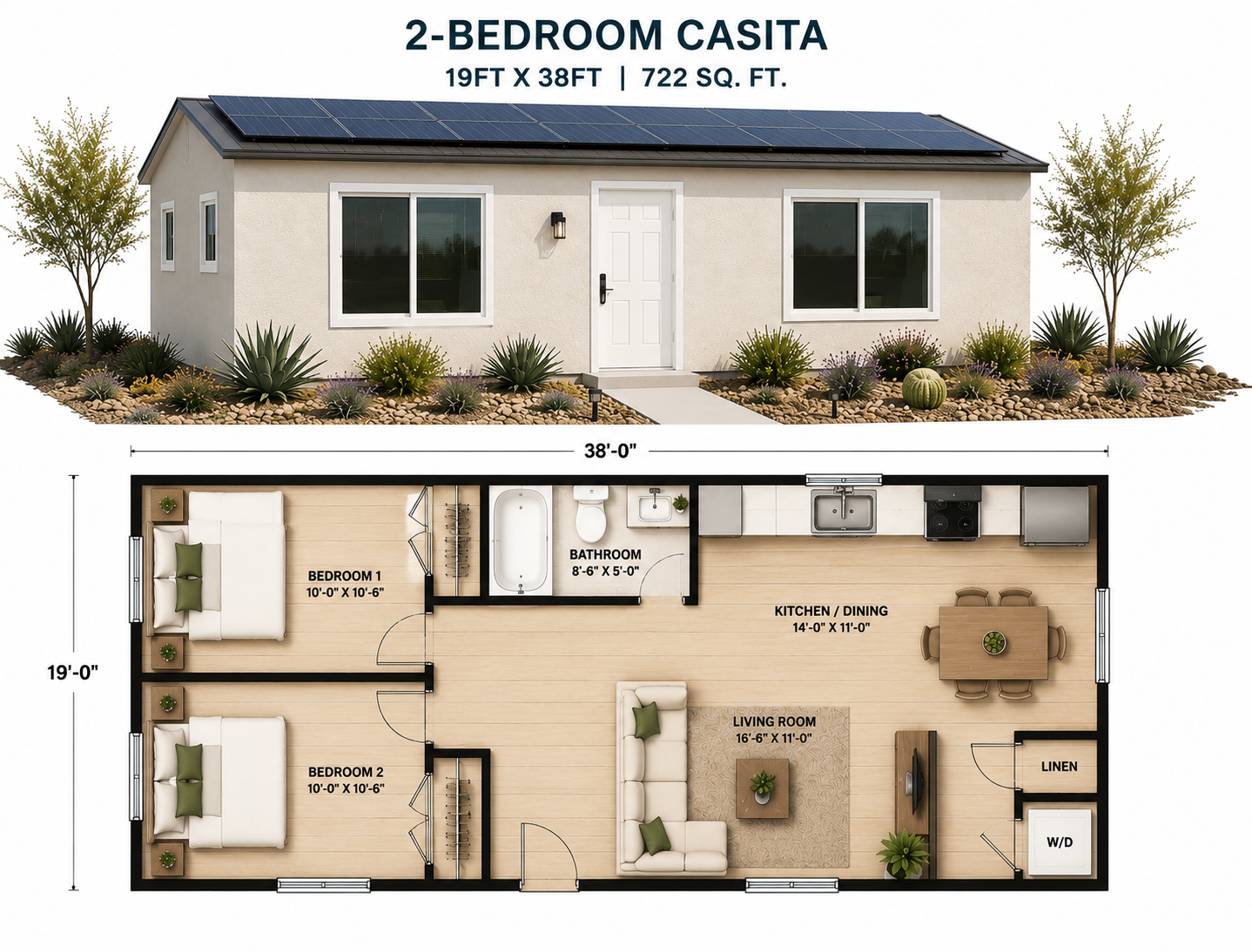
Two-Bedroom Housing Layout
A two-bedroom concept designed to support households that need additional living and sleeping space.
Exploring The Future
Of Modular Housing
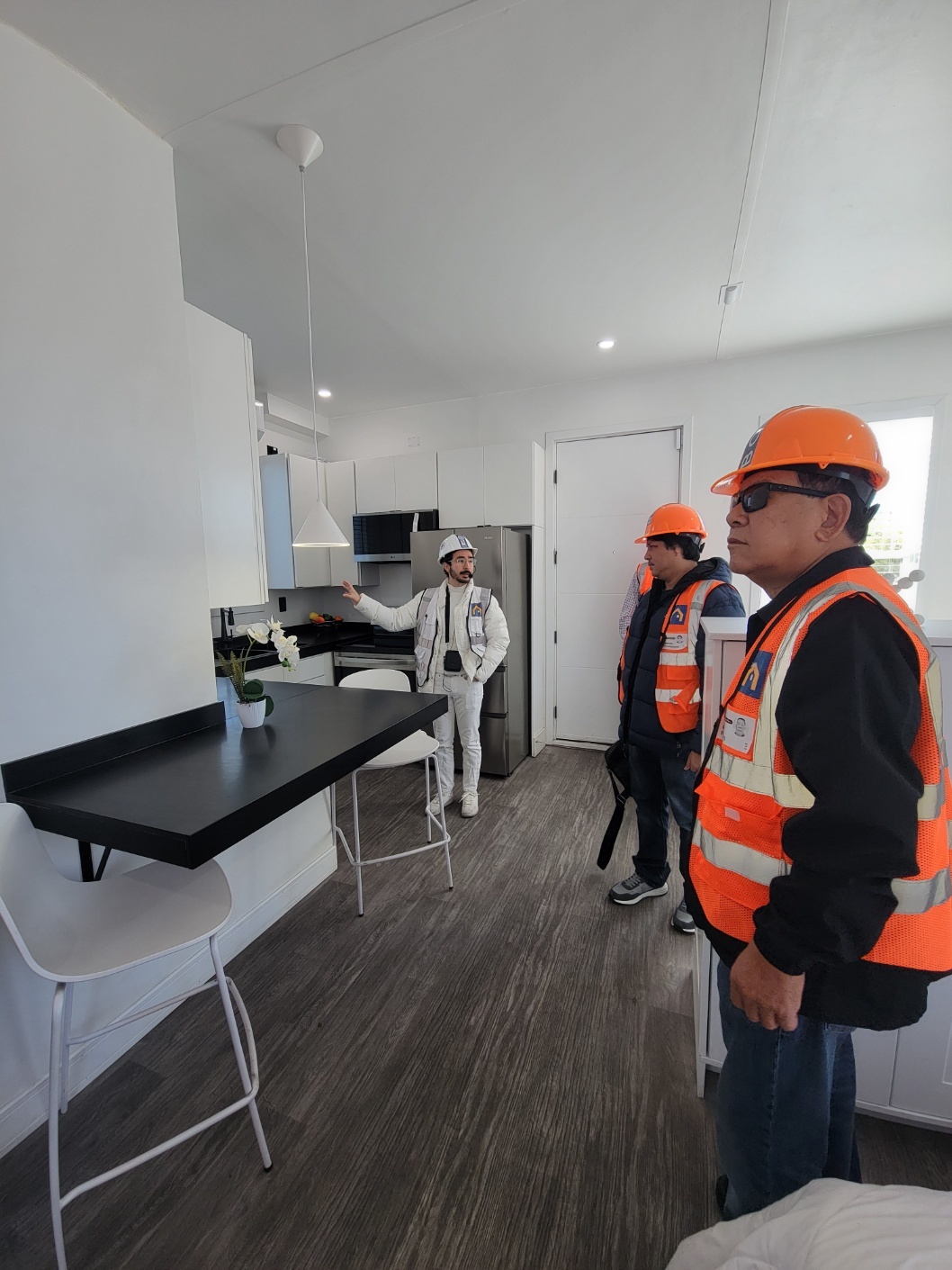
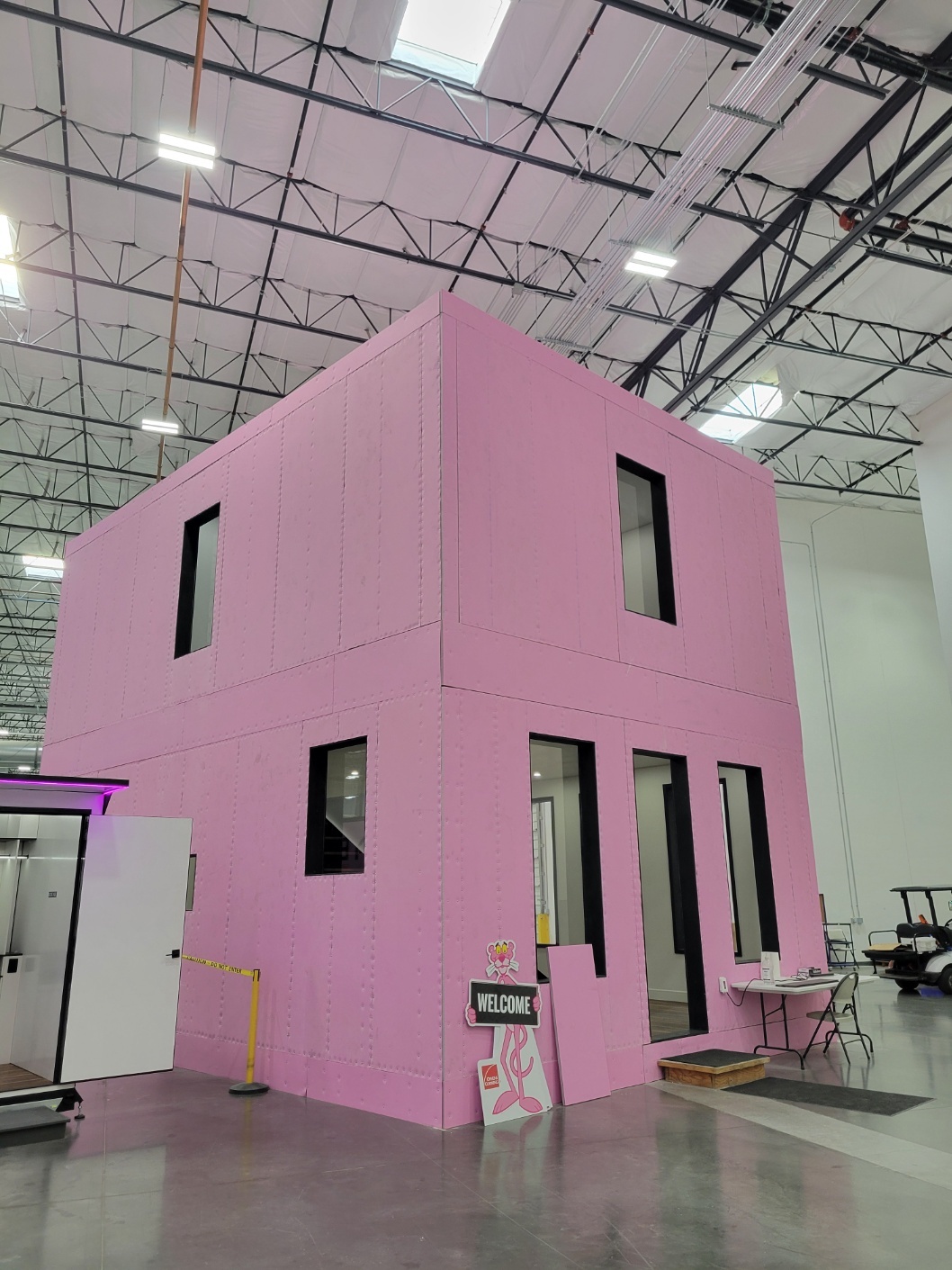
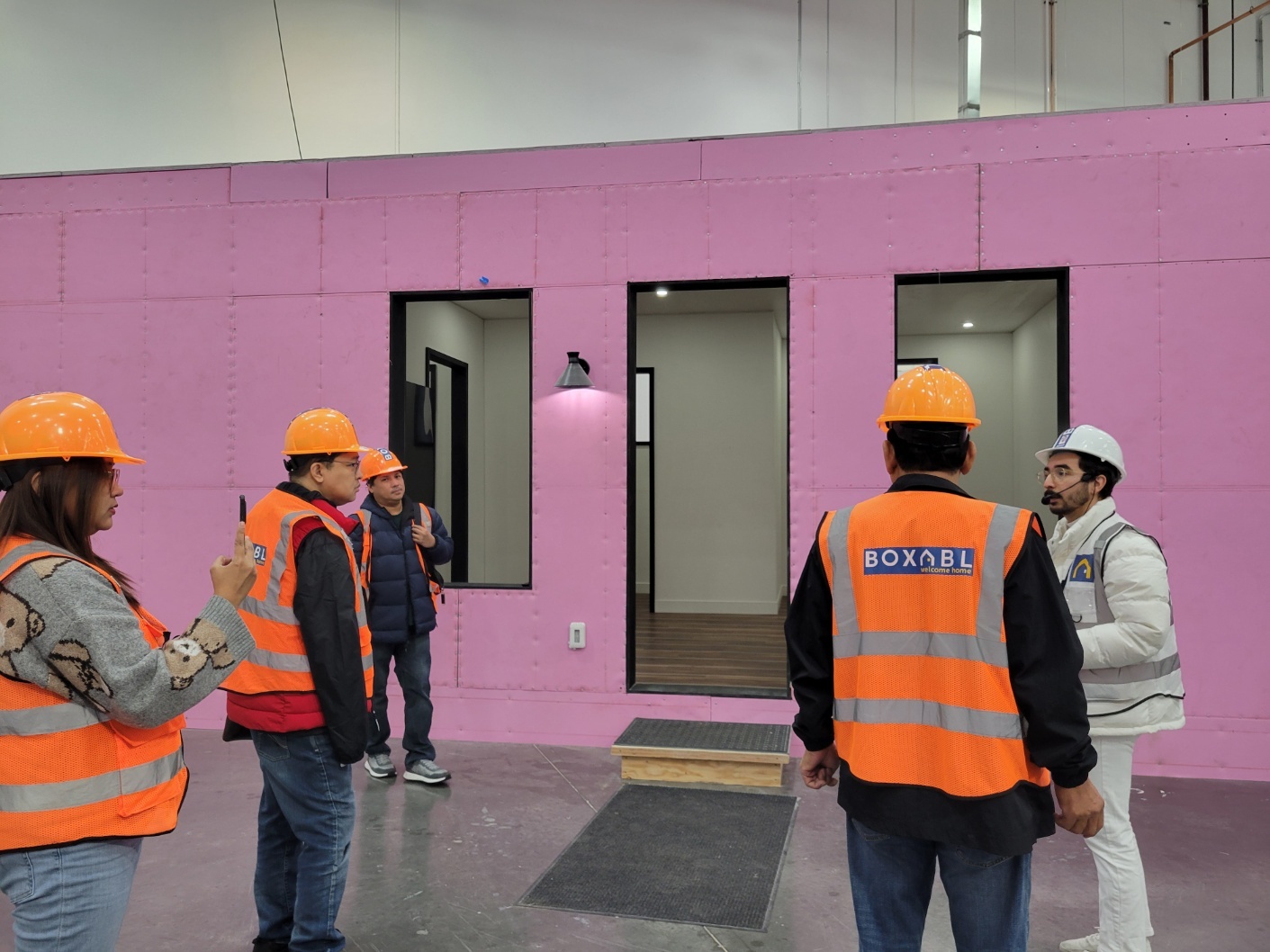
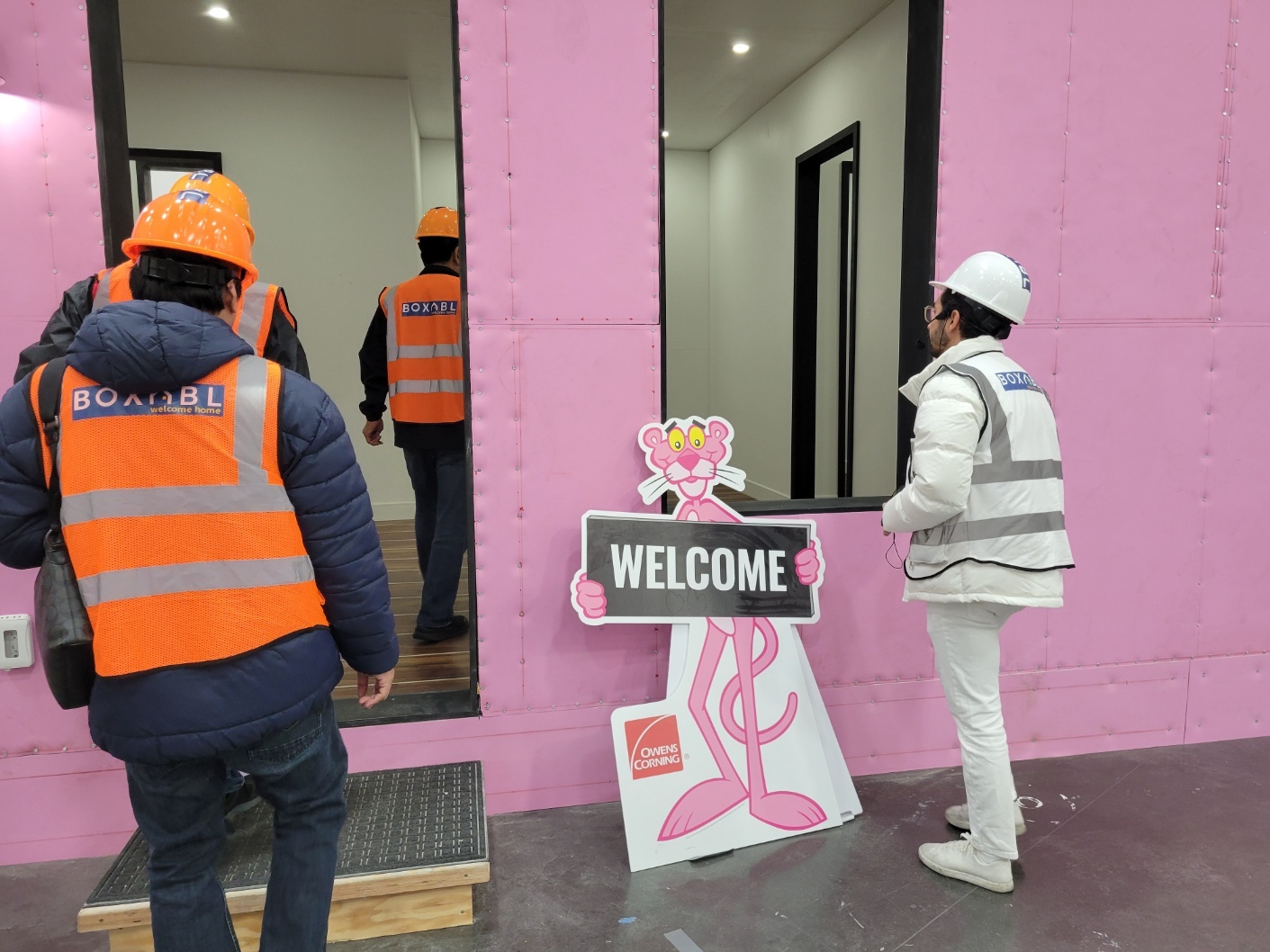
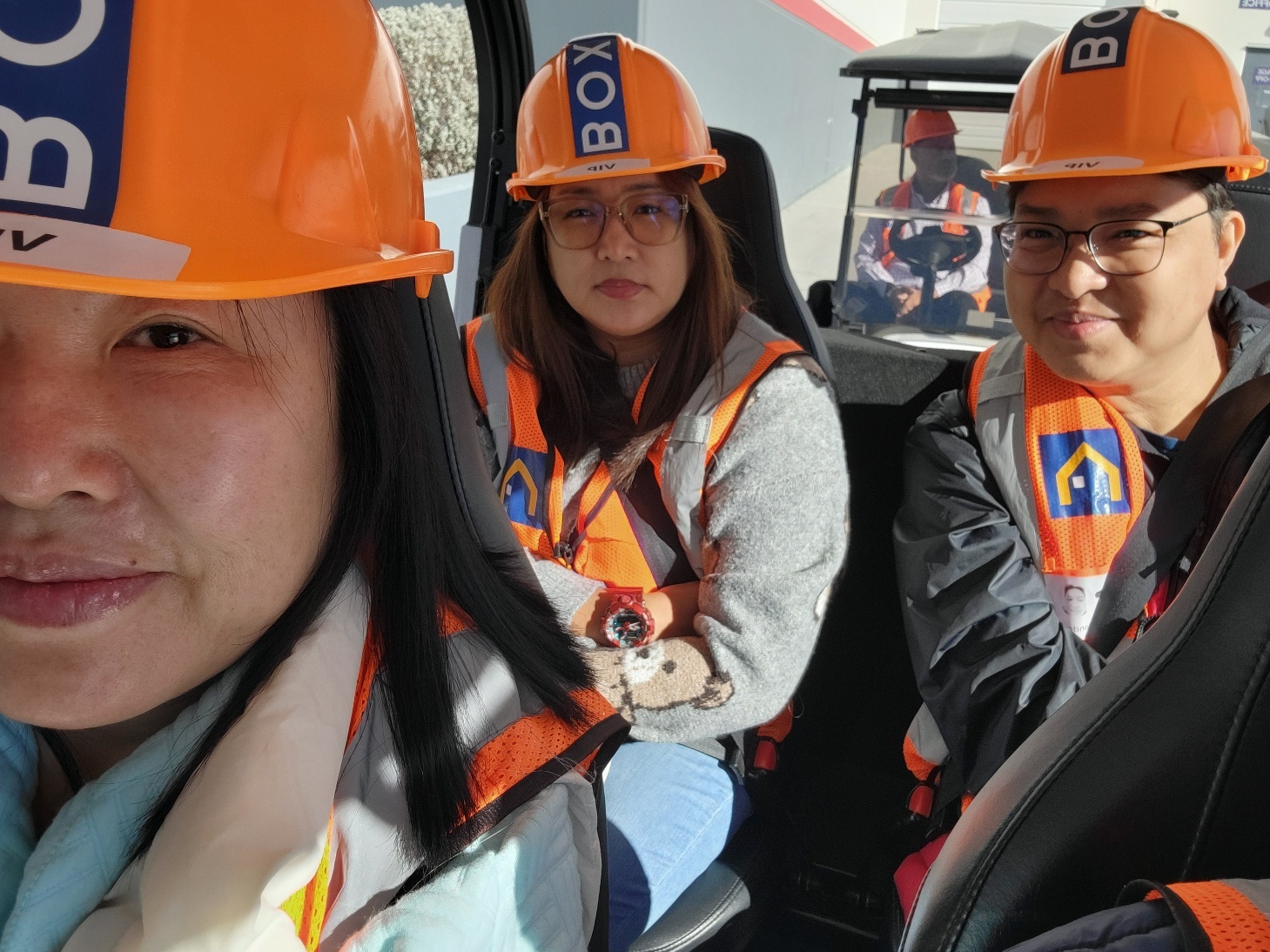
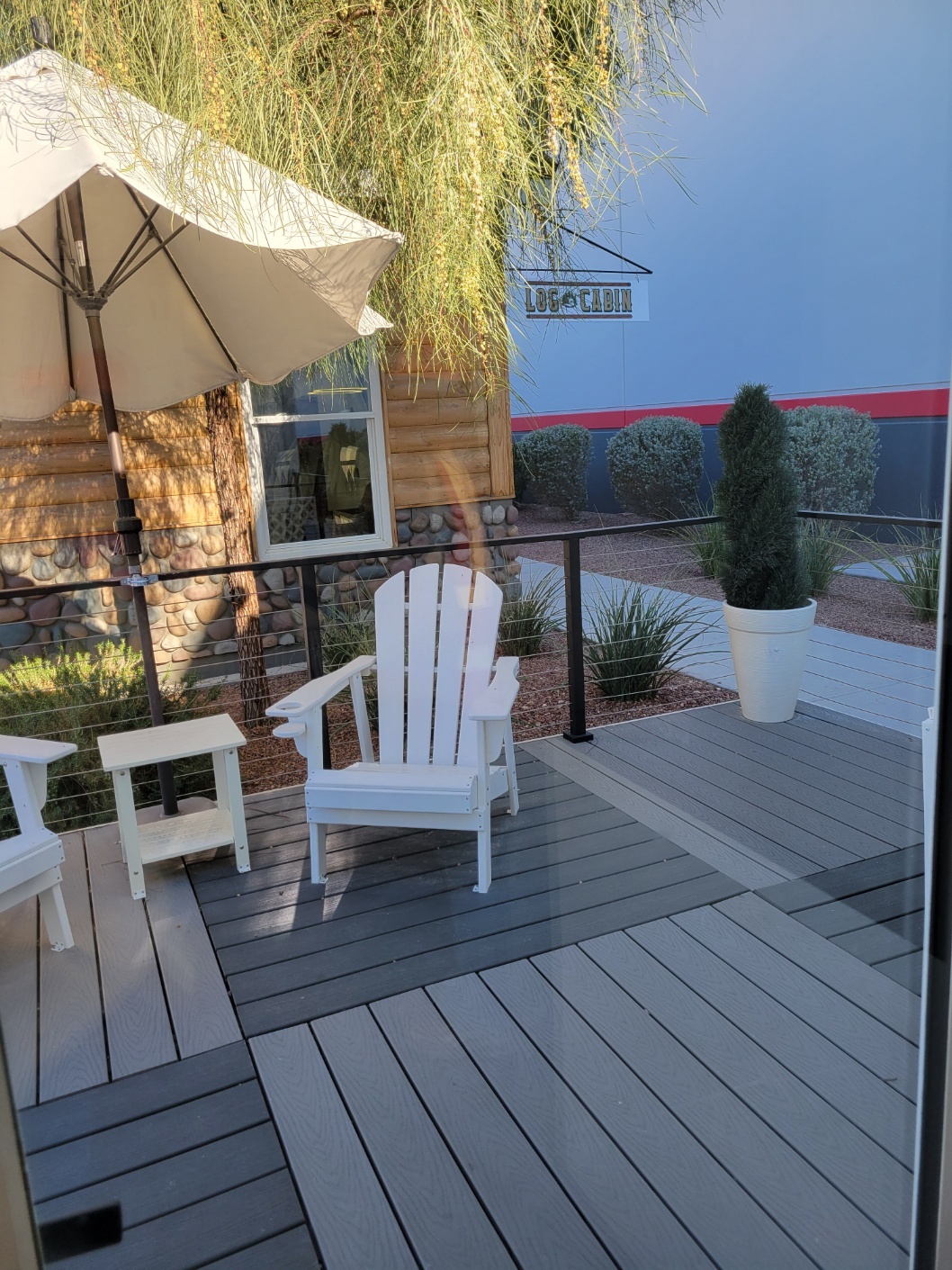
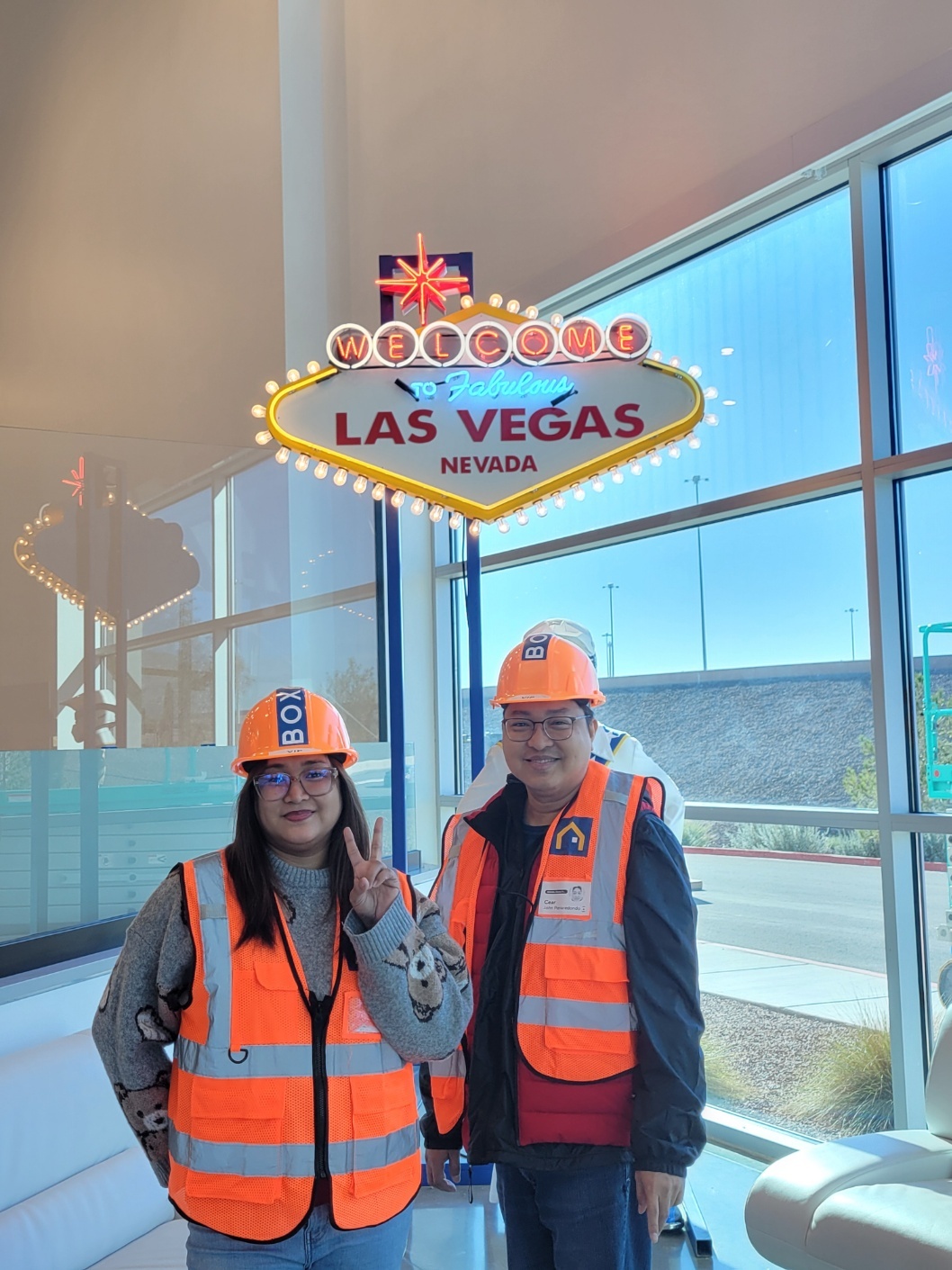
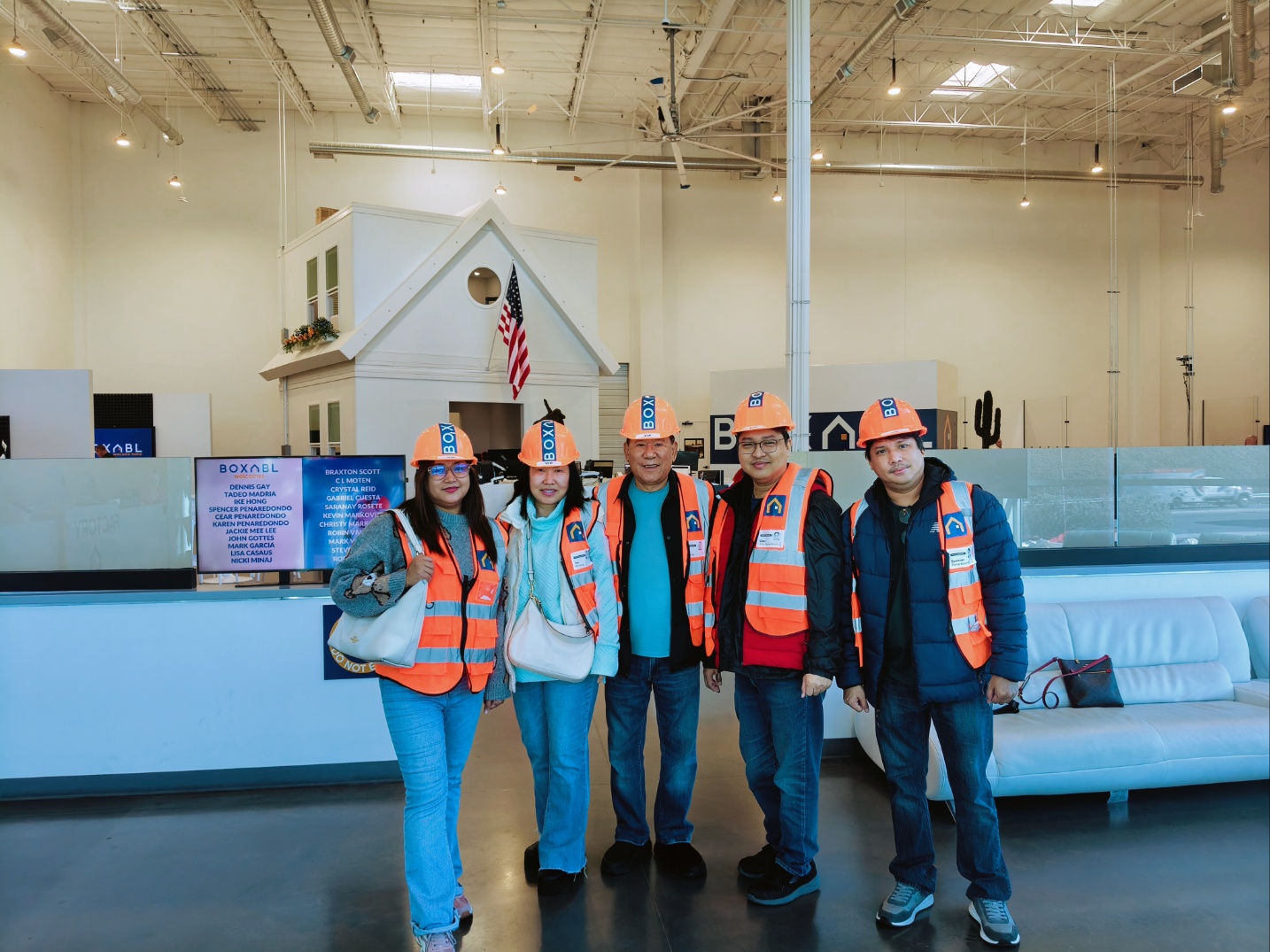
Genesis Global Foundation representatives visited modular housing facilities to explore housing concepts and community possibilities for Sky Garden.
Support Under
One Roof
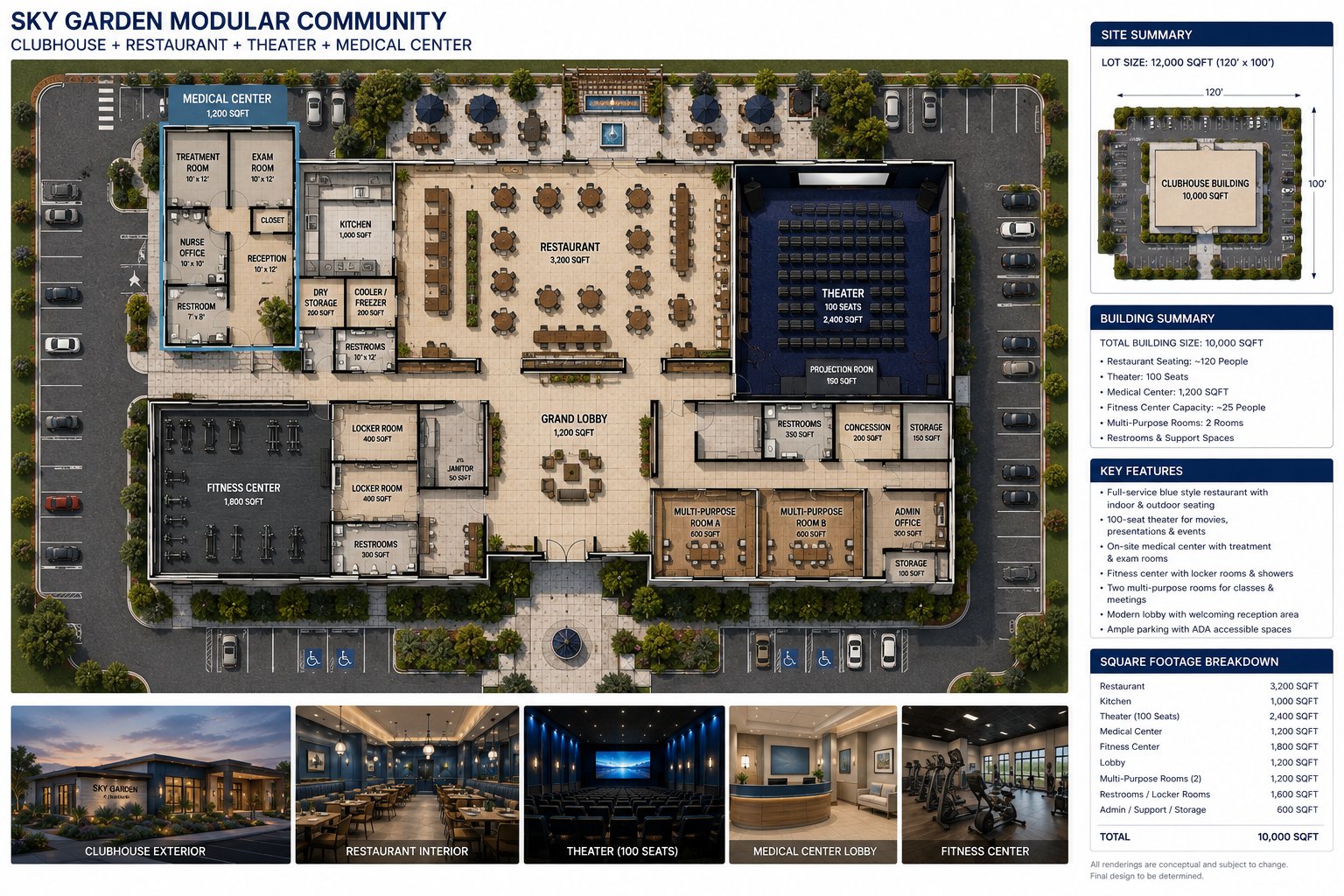
The planned 10,000 sq. ft. community clubhouse is designed to become the heart of Sky Garden — bringing healthcare, meals, wellness, entertainment and community services into one convenient location. People who donate to homeless causes can help support this broader path toward stability and independence.
Building Independence Through Employment
Sky Garden is intended to create employment opportunities through community operations while helping qualified residents connect with job training and employment pathways.
A Home Where
Hope Grows
Sky Garden Project 1 is envisioned as a community in Las Vegas for individuals and families who have lost stable housing for many different reasons. The project is designed to provide more than shelter by combining safe housing, health support, counseling, education, job training, employment opportunities and community life.
1. The Vision
Sky Garden is not intended to be simply a place where people experiencing homelessness can sleep. Its long-term purpose is to help residents rebuild their lives through stable housing, physical and emotional wellness, practical skills, employment and a supportive community.
2. 100 Homes · A New Beginning
The first phase plans 100 independent residences designed to provide safety, privacy and dignity.
- 70 Studio Homes: private living spaces for individuals beginning again on their own.
- 30 Family Homes: homes for approximately 2–3 family members so families can remain together while rebuilding stability.
- Housing becomes the first foundation for a new life, not the final destination.
3. The Core Philosophy
Sky Garden does not define a person only by the word “homeless.” Every resident has a story, family, abilities, dreams and the possibility of beginning again. The goal goes beyond helping people in the moment — it is to help them regain the ability to direct and support their own lives.
4. Clubhouse · The Heart of Sky Garden
The Clubhouse is planned as the center of daily community life where residents can eat, learn, receive counseling, exercise, meet others and prepare for a more independent future.
- Job Training Center
- Counseling Rooms
- Community Dining Hall
- Nurse-Supported Health Room
- Fitness Room
- Sunday Worship Space
- Community Lounge
- Small Park & Green Space
5. Job Training Center
Stable housing alone is not enough for long-term independence. Residents need sustainable income, practical skills and meaningful work opportunities.
- Computer and basic office skills
- Resume writing
- Interview preparation
- Workplace readiness
- Technical and service-industry training
- Cooking and restaurant skills
- Facilities maintenance and cleaning
- Gardening and landscaping
- Connections with local employers
6. Counseling · Rebuilding the Person
People lose housing for many different reasons, including financial hardship, unemployment, family disruption, divorce, sudden life changes and emotional or mental-health challenges. Counseling services can help each resident understand the present and plan the next chapter.
- Individual counseling
- Family counseling
- Life counseling
- Career counseling
- Employment counseling
- Mental-health referrals
- Social-service connections
- Government and community-resource navigation
7. Health Room · Restoring Health
A nurse-supported health room is planned inside the Clubhouse to provide basic wellness support and connect residents with medical care when needed.
- Basic health-status checks
- Blood-pressure monitoring
- Minor wound and wellness support
- Health education
- Medication-management support
- Hospital and physician referrals
- Emergency medical coordination
- Connections to regular health screenings
8. Community Dining · Food, Training & Connection
The community dining program is designed to help ensure that residents have access to regular, nutritious meals. The kitchen can also become a hands-on job-training environment.
- Kitchen assistance
- Cooking instruction
- Food-safety education
- Restaurant-operation experience
- Pathways to outside employment
9. Fitness Room · Healthy Daily Habits
Exercise, basic wellness education and regular routines can help residents rebuild physical health, confidence and a more structured daily life.
10. Sunday Worship · Faith & Hope
A Sunday worship space may offer residents a place for spiritual reflection, encouragement and community. Programs may include worship, Bible study, prayer gatherings, praise, small groups, volunteering and mentoring.
Important: Housing and essential support services should remain available fairly to residents regardless of participation in religious activities.
11. Sky Garden · A Place to Rest and Connect
Small parks and green spaces can provide residents with areas to walk, rest, reflect and interact naturally with neighbors.
- Walking paths
- Benches
- Trees and flowers
- Small gardens
- Quiet resting areas
12. Seven Steps Toward Independence
Every major service is intended to connect toward one final goal: helping residents move from instability to long-term self-sufficiency.
13. A Community That Gives Back
Sky Garden is intended to create a cycle of support: a resident who regains stability may mentor someone new, a person who develops a skill may teach it to another resident, and someone who transitions successfully to independent living may become an example of what a new beginning can look like.
14. What 100 Homes Really Mean
Sky Garden is not simply creating 100 housing units. It is creating 100 opportunities to begin again — 70 opportunities for individuals and 30 opportunities for families to rebuild their lives with housing, learning, health, counseling, community and hope.
15. The Ultimate Goal
Street → Home → Stability → Recovery → Education → Employment → Independence → A New Life
Sky Garden seeks to walk with each resident through this path, helping people move beyond crisis toward sustainable housing, meaningful work and community belonging.
“A Home Where Hope Grows”
100 Homes + Education + Healthcare + Counseling + Employment + Faith + Community
We begin with 100 homes and work toward 100 new lives. At the center of that vision is one belief: losing a home does not mean losing a life. Sky Garden is envisioned as a community that helps people stand again, dream again and build their lives again.
Recovery, Housing
& A New Life
Sky Garden Project 2 is envisioned as a recovery-oriented community for approximately 200 people whose homelessness is connected to alcohol or substance-use challenges and who may need more intensive medical, behavioral-health, recovery and social support.
1. Purpose of Project 2
Project 2 focuses on residents who need a stronger recovery system than housing alone can provide. Its purpose is to combine safe living space with professional recovery support, healthcare, mental-health services, vocational training and a clear pathway back to independent community life.
2. A 200-Person Recovery Community
Rather than placing everyone in one large institutional setting, Project 2 may use smaller residential environments that feel safer, more personal and more supportive.
- Individual or 1–2 person living spaces
- Small shared-living areas
- Family or protected living arrangements
- Higher-support medical and recovery spaces
- Independent-living preparation areas
3. Recovery, Not Isolation
Project 2 is not intended to isolate people because of addiction. It is designed to help residents recover from the circumstances that disrupted their lives, rebuild healthy routines and prepare to return to society with dignity.
“You are more valuable than the addiction you are facing. We are here not to judge your past, but to help you begin again.”
4. Health & Recovery Center
Project 2 calls for a more advanced medical and recovery model than Project 1, supported by on-site care and strong connections to hospitals, physicians and specialists.
- On-site nursing support
- Regular physician visits
- Health screenings
- Substance-use medical assessment
- Mental-health evaluation
- Medication management
- Emergency-response coordination
- Outside hospital and specialist referrals
- Recovery-status monitoring
- Health education
5. Professional Medical & Recovery Team
Medical Team
- Physician
- Registered Nurse
- Nursing Staff
- Mental-Health Professionals
- Medication Support Staff
- Medical Coordinator
Recovery Team
- Addiction Recovery Specialists
- Counselors
- Case Managers
- Peer Recovery Specialists
- Family Support Staff
- Social Workers
Life & Employment Team
- Residential Support Staff
- Job Training Staff
- Employment Support Staff
- Community Program Staff
These teams can collaborate around an Individual Recovery Plan tailored to each resident’s health, recovery, housing, family, education and employment needs.
6. Seven-Stage Recovery System
7. Addiction Recovery Programs
- Individual counseling based on each resident’s history and goals
- Group recovery programs
- Peer Support from people with lived recovery experience
- Family recovery and relationship support
- Mental-health and social-service connections
8. A Safe, Substance-Free Environment
The community is intended to maintain clear safety and recovery expectations, including community rules and, where appropriate, recovery-housing drug-testing protocols.
Medically prescribed treatment for substance-use disorders should be handled as part of appropriate medical care rather than automatically excluded.
9. Clubhouse & Community Life
- Job Training Center
- Computer Classroom
- Individual Counseling Rooms
- Group Recovery Rooms
- Family Counseling Room
- Dining Area
- Fitness Room
- Small Library
- Worship, Meditation or Quiet Recovery Space
- Community Activity Areas
10. Dining & Nutrition
Regular, healthy meals can support physical recovery and restore everyday routines. The dining program may also become a practical training site.
- Kitchen assistance
- Cooking instruction
- Food-safety training
- Restaurant work experience
- Pathways to outside employment
11. Fitness & Wellness Center
Physical recovery is also important. Planned spaces may include a Fitness Room, walking areas, stretching areas, outdoor exercise space and health education programs designed to rebuild regular daily habits.
12. Recovery Garden & Healing Spaces
Quiet outdoor areas can give residents places to think, talk, rest and reconnect. A “Recovery Garden” may include walking paths, benches, trees, flowers, resting areas and small gardens.
13. Job Training & Independence
- Food service and cooking
- Cleaning and facilities maintenance
- Landscaping and garden care
- Construction and maintenance skills
- Computer and office skills
- Sewing and basic manufacturing
- Automotive-related skills
- Logistics and warehouse work
- Basic small-business education
14. Case Management · One Person, One Connected Plan
A dedicated Case Manager can help coordinate each resident’s housing, healthcare, addiction recovery, mental health, family relationships, education, job training, employment and independent-living goals so residents do not have to navigate every system alone.
15. The Next Step · Aftercare
The goal is not for residents to remain in the program forever. When a person is ready, Sky Garden can support the transition from recovery housing to independent housing, employment and community life. An Aftercare Program may provide continued contact and counseling when needed.
16. Project 1 + Project 2
The two projects are envisioned as connected parts of one larger ladder of hope. Project 1 emphasizes housing stability and independence, while Project 2 provides a more intensive recovery, healthcare and behavioral-support model. Residents can be connected with the level of support that best matches their circumstances.
17. The Community We Want to Build
Sky Garden Project 2 is not intended to be an institution that simply contains people struggling with addiction. It is envisioned as a recovery community — providing medical care to those who are ill, counseling to those who are hurting, housing to those without a home, training to those who lost employment opportunities, family support to those whose relationships were damaged, and hope to those who need a reason to begin again.
Recovery • Housing • Healthcare • Training • Employment • Community
18. Final Vision: approximately 200 residents, 200 opportunities for a new life.
Begin with a safe home, restore health, overcome addiction, learn practical skills, find meaningful work and return to community life with stability and dignity. Sky Garden is envisioned to show that even at the hardest moment of a person’s life, the story can become not an ending — but a new beginning.
Building Sky Garden With Community At The Center
Sky Garden is shaped by a commitment to create a supportive community where housing, healthcare, opportunity and human connection can work together toward lasting stability.
Why Donate to Homeless Housing?
People searching for ways to help homeless individuals and families often want their donation to support more than temporary shelter. Sky Garden is designed around permanent supportive housing, healthcare access, counseling, job training, wellness, community connection, and pathways toward independence.
When you donate to homeless housing through Sky Garden, you can help support a model focused on dignity, stability, recovery, employment, and a stronger long-term future. Explore more GGFI charity projects, learn about our humanitarian programs, or visit the Kenya clean water project.
For broader information about homelessness and housing assistance in the United States, visit the U.S. Department of Housing and Urban Development homelessness resource.
Housing Is Only The Beginning.
Sky Garden is designed to address not only homelessness, but also the barriers that can make it difficult for individuals to regain stability. By connecting permanent housing with healthcare, employment opportunities, community resources and sustainable infrastructure, residents can have a stronger foundation from which to rebuild.
Donate to Homeless Housing And Help Create A Fresh Start.
Together, we can help create a safe, supportive and sustainable community where individuals have the opportunity to rebuild, grow and thrive. Your decision to donate to homeless housing can help support permanent homes, healthcare, job training, wellness, and long-term community stability.